Your Deerfield Eye Doctor
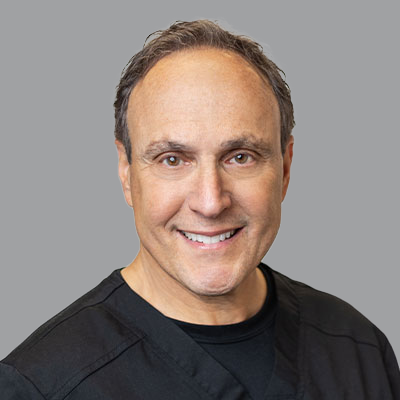
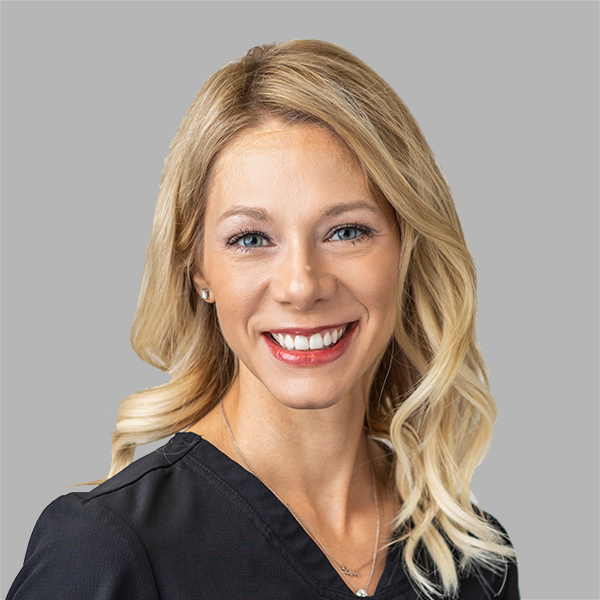
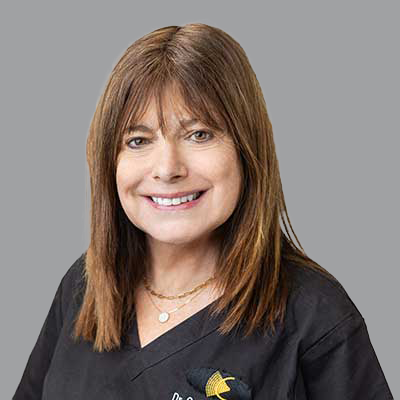
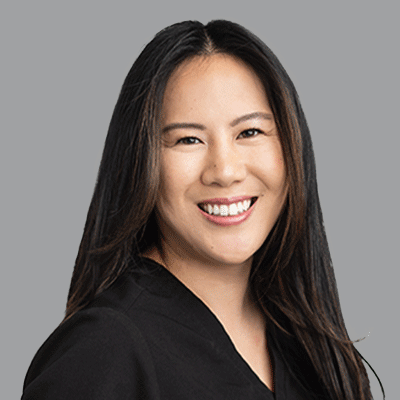
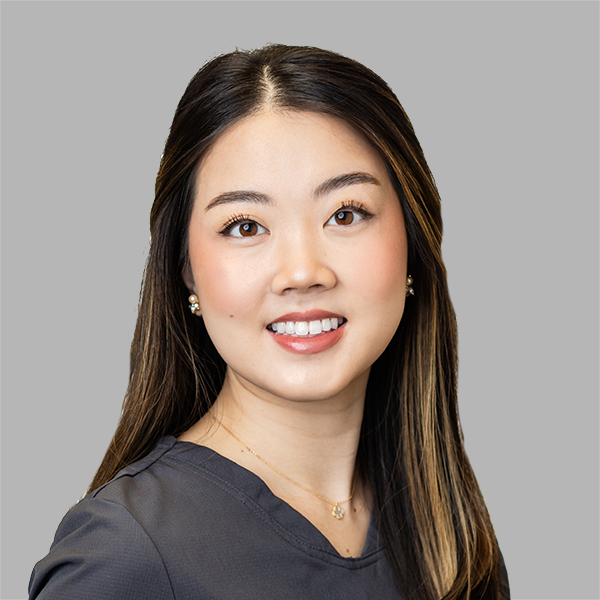
Please call the practice to schedule with Dr. Eiden, Dr. Allen or Dr. Barron. (847) 412-0311
About North Suburban Vision Consultants
A pre-eminent advanced care practice in the greater Chicago area.
With innovative technologies and compassionate doctors and staff, we at NSVC are responsible for educating our patients about the importance of professional eye health services. We provide excellent eye care for our patients with great pride and commitment.
Our staff of eye care professionals includes doctors of optometry, ophthalmology, ophthalmic technicians, and opticians. We offer comprehensive primary eye care services, as well as specialty eye care.
NSVC is one of the preeminent eye care practices in the Midwest. We utilize state-of-the-art diagnostic and therapeutic technologies to provide our patients with the most advanced eye care. Our doctors are continually involved in research and development studies, resulting in patients being referred to NSVC by doctors throughout the United States.
We are dedicated to caring for your eyes and providing the latest diagnostic, medical treatment, and surgery technologies. Experience our comfortable state-of-the-art facilities. Surgical services are provided by affiliated ophthalmology.




Our Eye Care Services

Contact Lens Exams
During a contact lens exam, your eye doctor will check if you are a good candidate for contacts and find the best type of contacts for your needs..

Orthokeratology (CRT & VST)
Orthokeratology is a non-invasive vision correction alternative to LASIK. Put in the specialty lenses while you sleep, and experience better vision in the morning.

Glaucoma Treatment
Over 50% of people living with glaucoma don’t know they have the disease as it shows no symptoms. Early detection and treatment can prevent blindness.
From updating your eyeglasses prescription to detection and treatment of eye diseases, comprehensive eye exams are important for continued visual health.
If cataracts go untreated, they can cause total blindness in the affected eye. We can help with co-management of your cataract removal surgery.
Macular degeneration can cause severe central vision loss if not detected and treated early on. We can help preserve your vision.
Vision therapy is a scientifically-proven regimen of in-office and at-home exercises to train the brain and eyes to work together better. Find out how we can help.
Clear vision is an essential part of a child’s healthy development and learning. Regular pediatric eye exams can help detect and treat common issues.
Children with myopia are at higher risk for potentially sight-threatening vision problems. Save your child’s vision with myopia management.
Do you have dry, itchy, gritty-feeling eyes? Dry eye syndrome is a very common condition. We offer dry eye treatments at our eye care clinic.
Scleral lenses are a great option for those with severe dry eye or abnormally-shaped corneas. Is this comfortable alternative to traditional contacts right for you?
Eye emergencies such as severe pain in the eye, or foreign objects puncturing the eye require immediate attention. Contact us immediately.
Eye diseases such as glaucoma and macular degeneration can cause severe loss of vision if not diagnosed and treated early. Our eye care team can help.
LASIK and refractive surgery are great ways to say goodbye to contacts and glasses for good. Find out if you’re a good candidate.
Astigmatism can cause vision problems such as blurred or double vision at all distances. Find out what you can do to correct astigmatism and see your best.
Low vision occurs when a person’s visual acuity is 20/70 or worse, and their vision can’t be fixed with glasses or contacts. Find out how an eye doctor can help.
Presbyopia is a normal part of aging. If you’re past 40 and notice you can’t read up close, our eye doctors may be able to help.
While vision can change drastically in the senior years, these changes shouldn't have to impair one's quality of life. The earlier these problems are detected and treated, the more likely proper eye care can help you retain good vision.
Eyeglasses & Frames

Designer Frames
Our extensive optical section offers a wide variety of eyeglass frames in every style, material & design. Come visit us today to see for yourself!
Our expert optical team can find just the right pair of glasses for you to be confident and look your best.
Lens coatings improve visual comfort, make it easier to clean your glasses and ensure your lenses last longer. Coatings include anti-scratch, anti-reflective, photochromatic and UV / blue light filters.
Contact Lenses

Contact Lens Fitting
We offer a wide range of contact lens options from dailies, monthly to multifocal contact lenses for crystal clear vision and superior comfort.
During a contact lens exam, your eye doctor will check if you are a good candidate for contacts and find the best type of contacts for your needs.
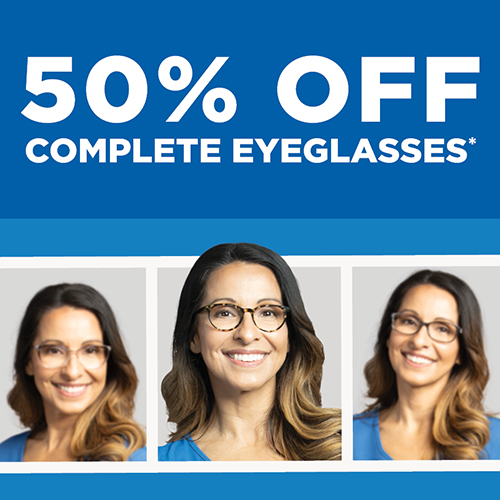
Buy One, Get One 50% Off Eyeglasses.
*Requires purchase of complete prescription pairs, including frame and lenses. Discount applied to complete pair of equal or lesser value. Does not include sunglass frames,Barton Perreira, Cartier, Cazal, Chanel, Cutler and Gross, Dior, Dita Lancier, Fendi, Gucci, ic!Berlin, l.a. Eyeworks, Maui Jim, Mykita, Nifties, Oakley, Oliver Peoples, Persol, Ray-Ban, Robert Marc, Salt, Salvatore Ferragamo, Skaga, Silhouette, Tom Ford, WOOW, accessories, contact lenses, or medical procedures. Cannot be combined with any other discounts, promotions, or insurance plans. Not valid on previous orders. Other restrictions may apply. See practice for full details. Offer valid 04/08/2024-06/16/2024. 24AEG-729313